 (773) 843-3333
 hello@4myins.com

Why Did My Auto Insurance Rate Go Up?
At ERIE, we don’t take the price you pay for car insurance lightly. Like most companies today, we’re facing increased costs of doing business. And we know that you are facing rising costs too, on everything from gasoline to breakfast cereal to housing.
And while a lot of factors go into what you pay – from vehicle safety ratings to your personal driving history – striking the balance between insurance premiums and the cost of doing business is key to any insurer’s ability to meet customer expectations and pay for claims.
For questions about your specific auto policy and rate, reach out to your ERIE agent. Generally speaking though, here are some of the biggest factors that may cause auto insurance premiums to increase:
Inflation: The Consumer Price Index (CPI) rose by 4% compared to 2022. This means that on average, all of us are spending 4% more than we were a year ago for the same goods and services.… Read More
 Whether it’s following a regular maintenance plan or making sure you’re prepared for an emergency, we’ve pulled together five driving and car maintenance resolutions for the New Year.
Procrastinating on regular maintenance. If you skimp on basic maintenance, your car can eventually quit or malfunction. If you’re on the road when it happens, you could lose control of your car, putting yourself and others in a dangerous situation. So, if it’s been awhile, get your car into the shop for an oil change. A mechanic can also check your vehicle’s filters, fluids, hoses and other key components. Also, ask about your vehicle’s maintenance schedule. Find out if any parts are wearing out before they break.
Neglecting your tires. Make sure your tires are properly inflated, not only does it add life to your tires, but they’re much safer on the roads, too. According to the National Highway Traffic Safety Administration (NHTSA), nine percent of automobile crashes are related to tire failure.…
 policy has you covered for life’s little mishaps.
Say your daughter forgets your car is parked right behind her in the driveway or a deer doesn’t wait his turn to cross the street, we’ll make sure you’re back on the road as soon as possible. In the moments after an accident, so many things are happening that you may feel overwhelmed. Thinking about what you auto policy covers shouldn’t be one of them.
Common Coverages
Depending on your state’s requirements for auto insurance and what limits and options you pick, your auto policy can include up to six common coverages.
You Cause an Accident and Someone Gets Hurt: If you cause an accident and other people are injured due to your negligence, bodily injury liability coverage is what protects you against their claims for damages, such as medical expenses, lost wages, and pain and suffering.…
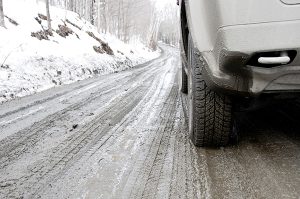 The Chicago Winter is here. And with it comes difficult driving conditions like whiteouts and black ice.
Road salt definitely helps makes the roads safer. A study conducted by Marquette University found that de-icing winter roads with salt reduces accidents by 88 percent and injuries by 85 percent. Each year, state and local agencies spend more than $2.3 billion on snow and ice control operations.
Yet there are some definite downsides to road salt when it comes to your car. Read on to learn exactly how road salt works—and what road salt does to your car.
How road salt works
Salt—a.k.a. sodium chloride in scientific terms—lowers the melting point of water. So while water normally freezes at 32 degrees Fahrenheit, water needs colder temperatures in order to freeze when it’s exposed to salt. The more salt you add, the lower the temperature needed to freeze water is.
The water that results after salt is applied to ice is known as “brine.”…
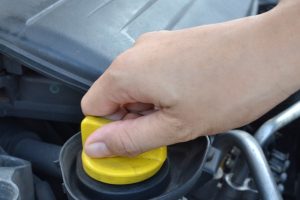 Hello, it’s me—the faithful friend who ferries you all over town. What your car needs in winter is also what you need. When I can do my job well, your driving experience will be easier, safer and more pleasant.
Here is what your humble car needs in winter:
1. A maintenance plan review. Your owner’s manual will list what kinds of maintenance you should schedule after a certain number of miles or years. I think you left your manual in the glove compartment. (If so, good luck finding it among all those takeout menus and tissue packets!)
2. A battery test. Winter takes a toll on batteries. And I don’t want us to get stuck somewhere—especially without what I talk about in tip number seven.
My recommendation? Have a pro check my battery with a quick test to see if it’s up to the task of winter driving. Good news: Many auto supply stores will do this for free.…
 Many people believe that insuring old cars costs less than insuring new cars. However, that’s not always the case.
Newer vehicles with