(773) 843-3333
 hello@4myins.com

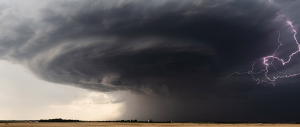 Tornado season is upon us and could bring more storms in the months ahead. In fact, the U.S. experiences the most tornadoes of anywhere in the world.1 Last year alone 1,197 tornadoes tore through the country, costing over $1 billion in property damage.2
While we can’t prevent tornadoes, we can help you craft a safety plan and prepare.
Before a Tornado
Designate a Shelter
The best shelters are sturdy, windowless spaces with room for you, your family, and pets.
A basement is ideal, though any low‑level, windowless room works, including closets, hallways, interior stairwells, or a bathtub if you have a heavy blanket or mattress as cover.
Food and Water for 72 hours, such as canned soup, granola bars, or shelf‑stable goods, plus a can opener
Whistle or horn to attract attention should you become trapped
Battery or generator‑powered lights to conserve mobile phone power
First aid kit that includes bandages, antiseptic, and essential medicines
Battery or crank radio because cell towers may be down
Important documents, including copies of your ID, insurance information, Social Security cards, a small amount of cash, and other legal documents, such as wills
Extra pet food if needed
During a Tornado
Know the signs of a tornado:
• Dark green or sickly‑looking sky
• Large hail
• Low clouds, especially if they’re rotating
• A roar often compared to a train whistle
If you hear or see these signs, or there’s a local tornado warning, shelter with family and pets.… Read More
Tornadoes can strike in seconds. Are you ready?
Tornado season is upon us and could bring more storms in the months ahead. In fact, the U.S. experiences the most tornadoes of anywhere in the world.1 Last year alone 1,197 tornadoes tore through the country, costing over $1 billion in property damage.2
While we can’t prevent tornadoes, we can help you craft a safety plan and prepare.
Before a Tornado
Designate a Shelter
The best shelters are sturdy, windowless spaces with room for you, your family, and pets.
A basement is ideal, though any low‑level, windowless room works, including closets, hallways, interior stairwells, or a bathtub if you have a heavy blanket or mattress as cover.
Food and Water for 72 hours, such as canned soup, granola bars, or shelf‑stable goods, plus a can opener
Whistle or horn to attract attention should you become trapped
Battery or generator‑powered lights to conserve mobile phone power
First aid kit that includes bandages, antiseptic, and essential medicines
Battery or crank radio because cell towers may be down
Important documents, including copies of your ID, insurance information, Social Security cards, a small amount of cash, and other legal documents, such as wills
Extra pet food if needed
During a Tornado
Know the signs of a tornado:
• Dark green or sickly‑looking sky
• Large hail
• Low clouds, especially if they’re rotating
• A roar often compared to a train whistle
If you hear or see these signs, or there’s a local tornado warning, shelter with family and pets.… Read More
 Renting is on the rise, and many homeowners are deciding to rent out their old homes rather than sell them. If you fall into that camp, you’ll want to talk to us about changing your current homeowners insurance policy to a rental policy.
Your insurance
A rental policy will protect your home’s structure and a small amount of furnishings in your home. (If you are renting your home furnished, you can add additional coverage for extra furnishings.) So you’d have coverage for your home if lightening ruined its roof or if a visitor slipped and fell on an icy stoop.
Another important benefit is fair rental value. In the event that your home suffers a loss that is covered and your tenant can’t live in your unit until repairs are made, your policy can provide up to 12 months of fair rental value. This means you won’t lose out on the rental income you may rely on each month.…
 After a close call in my apartment–who knew
 While the market value of your home is commonly based on tax assessment records, real estate appraisals or the recent selling prices of similar homes in your neighborhood, your homeowners insurance limit is based on what it would cost to replace your home if it was completely destroyed. This is frequently a different figure from what your home could fetch on the open market.
Erie Insurance uses a program called Home Cost Estimator to determine how much it would cost to rebuild a house from the ground up. “The estimator uses information about a dwelling’s characteristics to determine the estimated replacement cost,” says Terry McConnell,vice president, Personal Lines Underwriting, at Erie Insurance. “The information is pulled from several sources to come up with a very close approximation of what it would cost to reconstruct a house.”
Factors affecting a home’s reconstruction value
Many different factors affect how much it would cost to reconstruct a home.…
 Most of us will never own a Picasso or a Rembrandt. But we may own (or someday own) a pricey piece of art. And that brings up the issue of how to insure fine art.
When you think of separately insuring a pricey item, many people think of engagement rings and other kinds of jewelry. But extra coverage can also come in handy for anything from a valuable stamp collection to an expensive fur to—you guessed it—fine art.
Typically, your art coverage is included in your personal property limit on your
 Many Americans retreat to swimming pools throughout the summer to escape the blistering heat. For some, a pool party complete with drinks, grilled food, and music is an essential part of a perfect summer day. While swimming pools are great for bringing family and friends together, there are risks and pool safety concerns home owners should consider.
According to the